Anthony Comstock was a controversial American figure from the late 19th and early 20th centuries who led a moral reform movement focused on suppressing what he deemed obscene and immoral behavior. Here’s a summary of his key roles and actions:
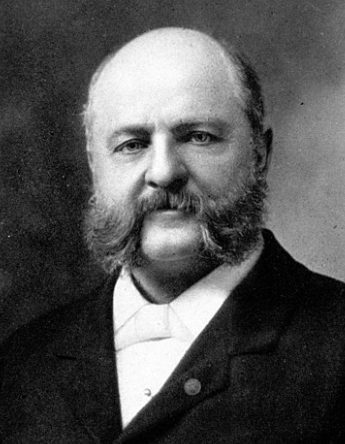
Anti-vice crusader:
- He is best known for his crusade against obscenity, which he broadly defined to include pornography, birth control information, abortion information, and materials related to sexuality.
- He lobbied for and helped pass the Comstock Laws in 1873, which banned the mailing of “obscene, lewd, lascivious, or filthy” material. These laws had a wide-ranging impact, restricting access to information and artistic expression for decades.
- He founded the New York Society for the Suppression of Vice in 1873, which acted as a vigilante group targeting individuals and businesses distributing materials he deemed immoral.
Government agent:
- He was appointed a special agent of the U.S. Post Office Department in 1873, giving him considerable power to enforce the Comstock Laws and conduct raids on suspected offenders.
- He used his position to pursue not only obscenity but also other activities he disapproved of, such as gambling, prostitution, and even quack medicine.
Legacy:
- Comstock’s legacy is complex and contested. He is credited with reducing public exposure to certain forms of explicit material and curbing some criminal activities. However, his tactics were often heavy-handed and intrusive, and his crusade had a chilling effect on artistic freedom and access to information, particularly for women and sexual minorities.
- The term “comstockery” became synonymous with censorship and moralizing, and his legacy continues to be debated in discussions about freedom of expression and the role of government in regulating morality.
Additional points:
- Comstock was a deeply religious man with a strict moral code. His views were shaped by his upbringing in a devout Congregationalist family and his experiences during the Civil War.
- He was a skilled lobbyist and political operator who effectively mobilized public support for his campaigns.
- While his tactics were often criticized, he remained a popular figure amongst many Americans who shared his moral convictions.
For other information on Anthony Comstock, see the following:
Books:
- “Anthony Comstock: His Career of Cruelty and Crime” (1878) by Victoria Woodhull and Tennessee Claflin: This scathing critique by Comstock’s early opponents offers a critical perspective on his life and work.
- “‘Sex and the Constitution’: Anthony Comstock and the Reign of Morality in America” (1995) by Geoffrey Stone: This well-researched biography provides a balanced and comprehensive account of Comstock’s life and his impact on American law and society.
- “The Devil We Know: The Rise of Anti-Semitism in America” (2017) by Kevin M. Kruse: This book explores Comstock’s role in promoting anti-Semitic ideas and policies.
Articles:
- “Anthony Comstock” by the American National Biography: This authoritative online biography provides a summary of Comstock’s life and accomplishments.
- “The Comstock Laws” by Britannica: This encyclopedia entry offers a concise overview of the Comstock Laws and their impact.
- “The Legacy of Anthony Comstock” by the Smithsonian Magazine: This article explores the ongoing debate about Comstock’s legacy and his impact on American culture.
Documentaries:
- “The Obscene Life of Anthony Comstock” (1990): This PBS documentary explores Comstock’s life and work in detail.
- “Sex: A History” (2003): This television series includes an episode on the Comstock Laws and their impact.
Primary Sources:
- “Traps for the Young” (1883) by Anthony Comstock: This collection of Comstock’s writings provides insight into his moral views and crusade against vice.
- The papers of Anthony Comstock: Held at the Cornell University Library, these papers offer a firsthand look at Comstock’s activities and motivations.


Pingback: The Comstock Act | Greg C. Miller, Author